
Stargazer
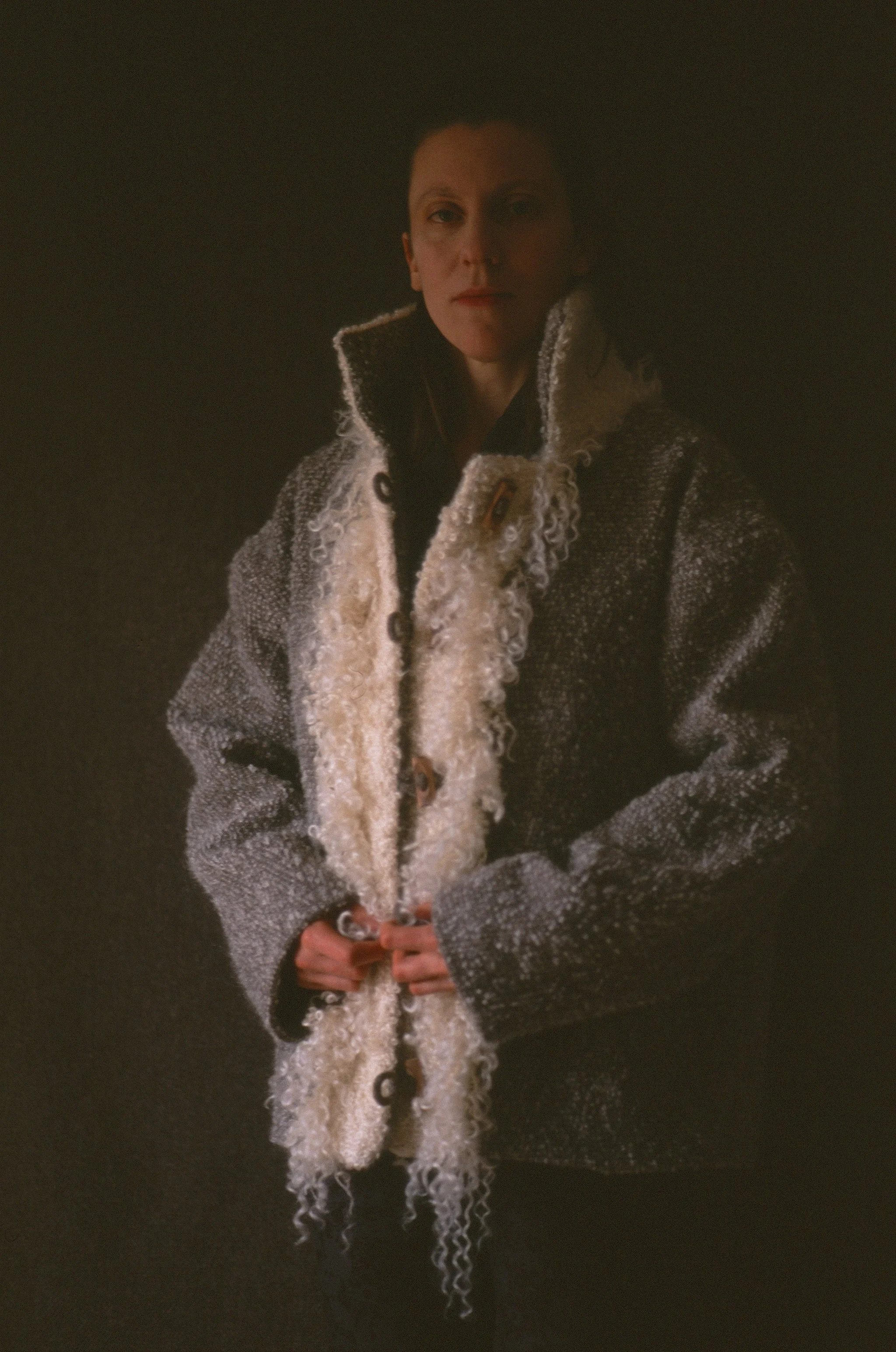
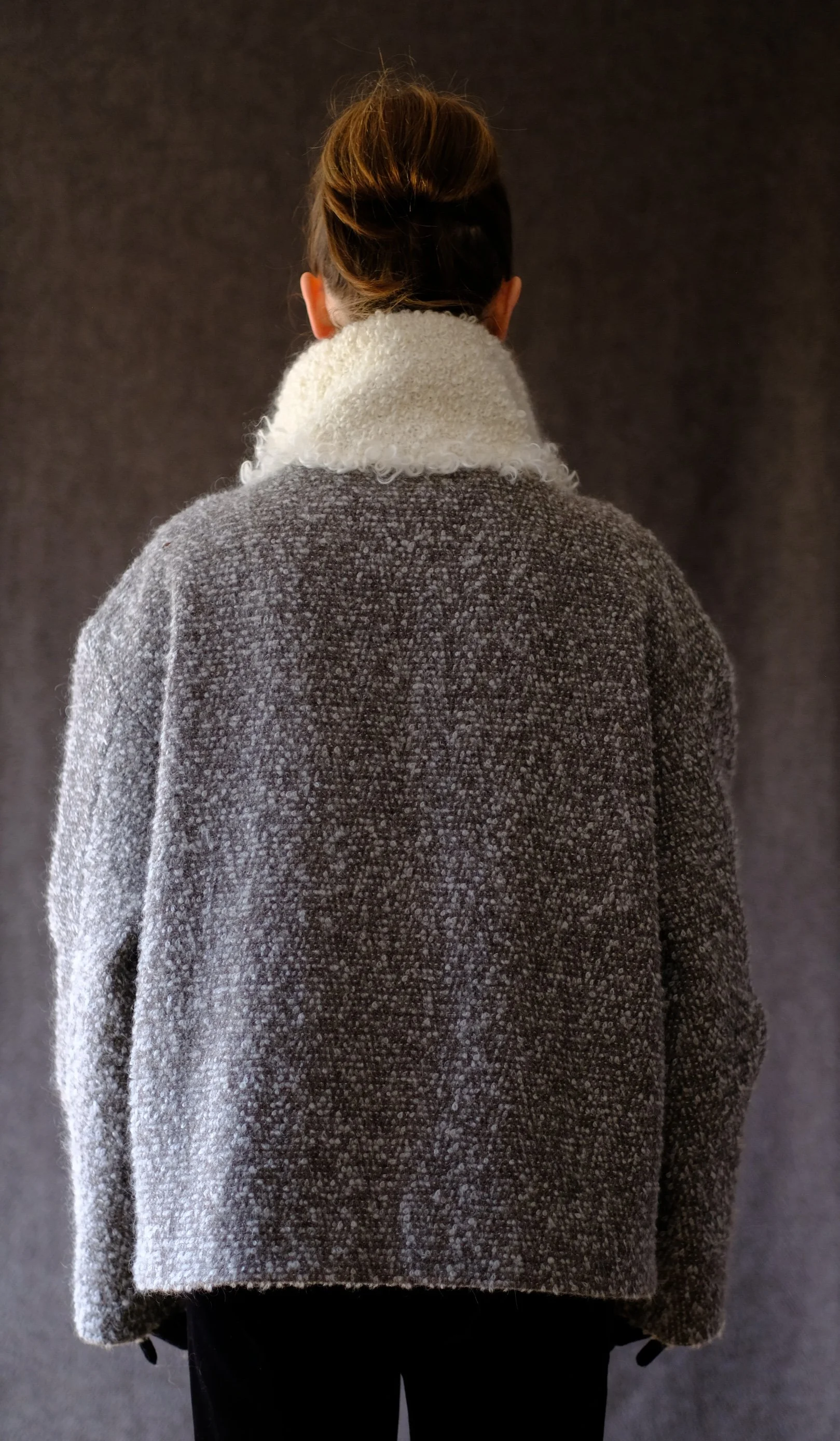

Stargazer
Coats
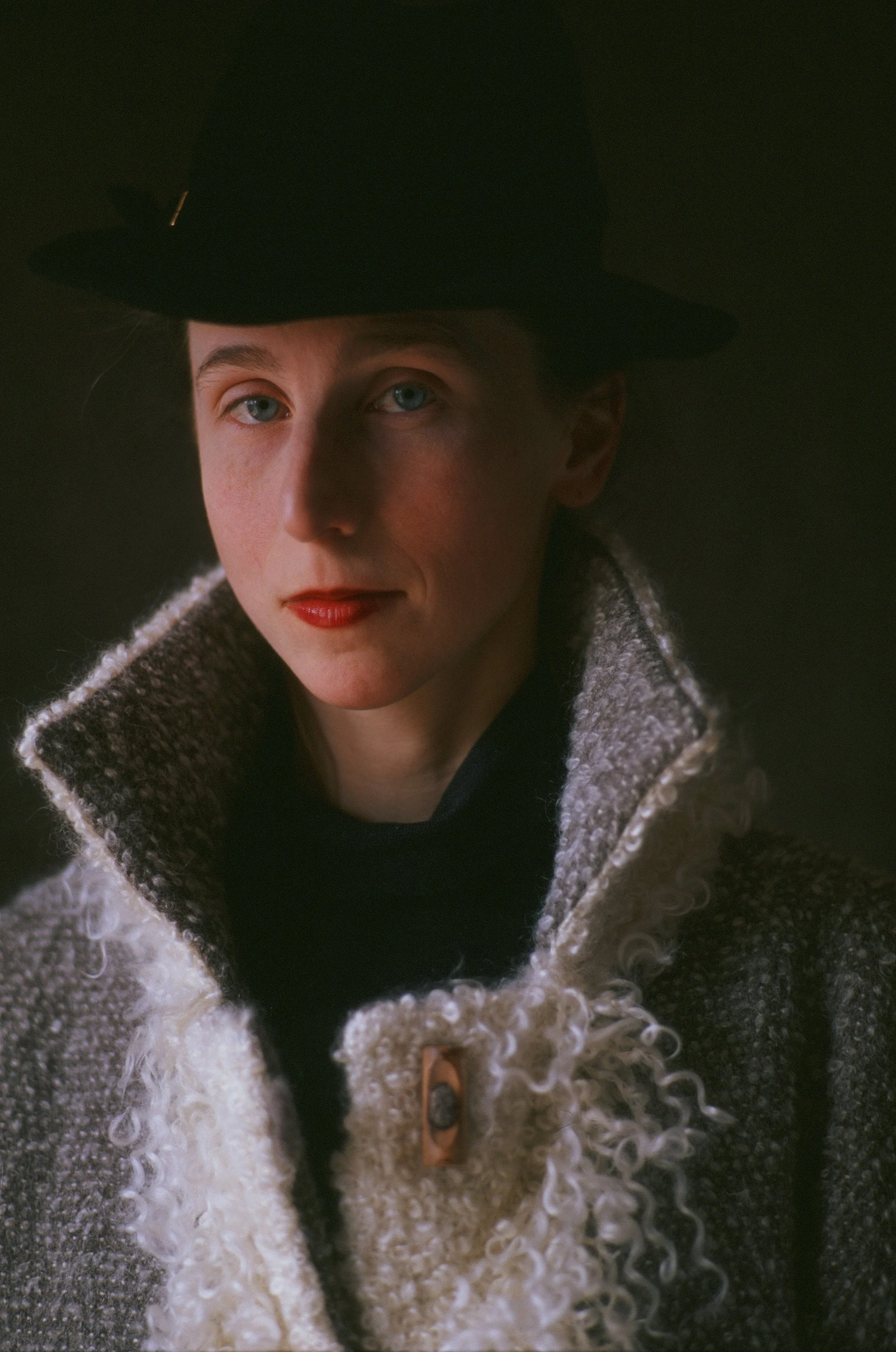
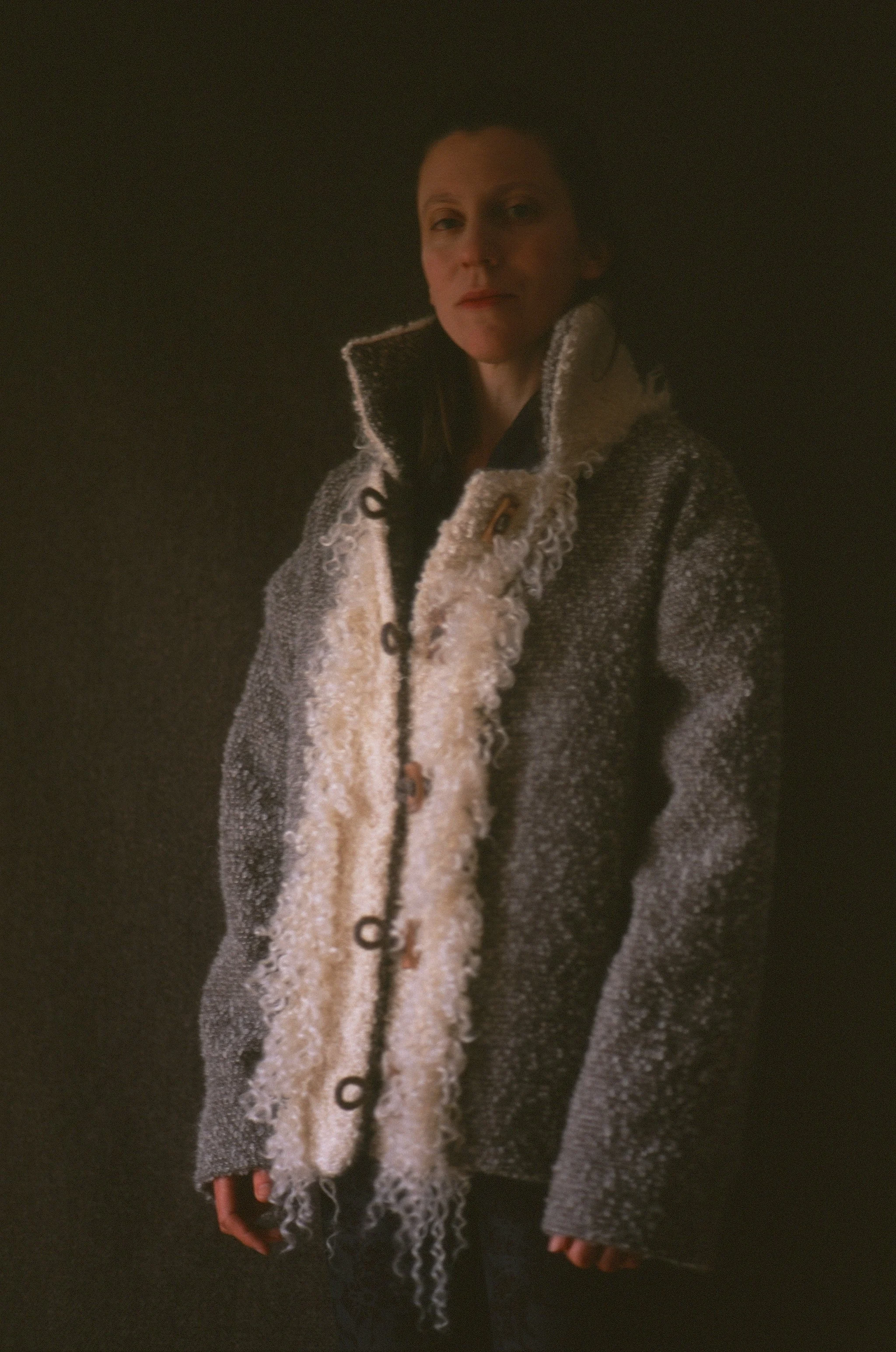
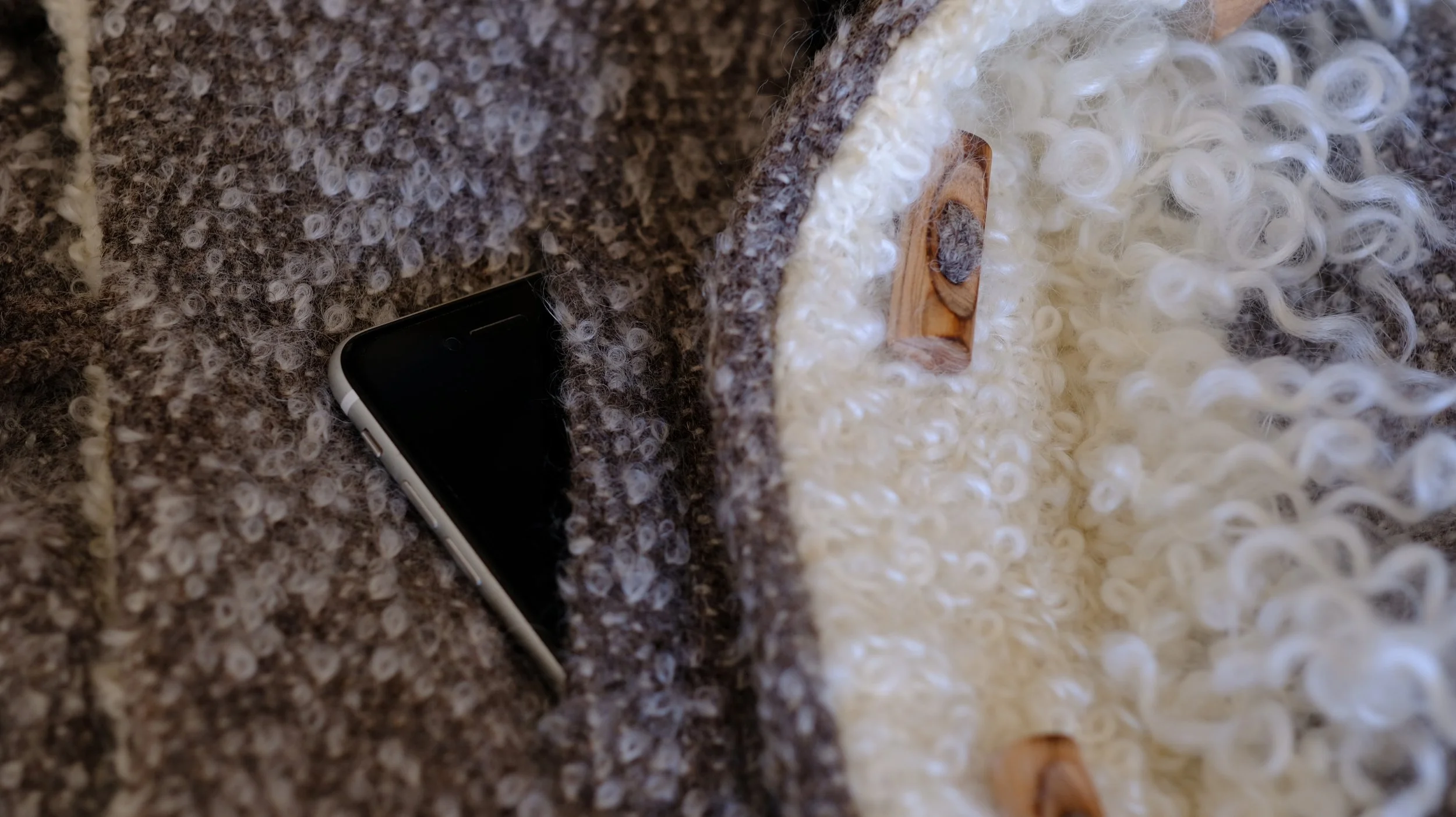
Four pockets: 2 inner chest pockets, welted; 2 outer, waist height, welted.
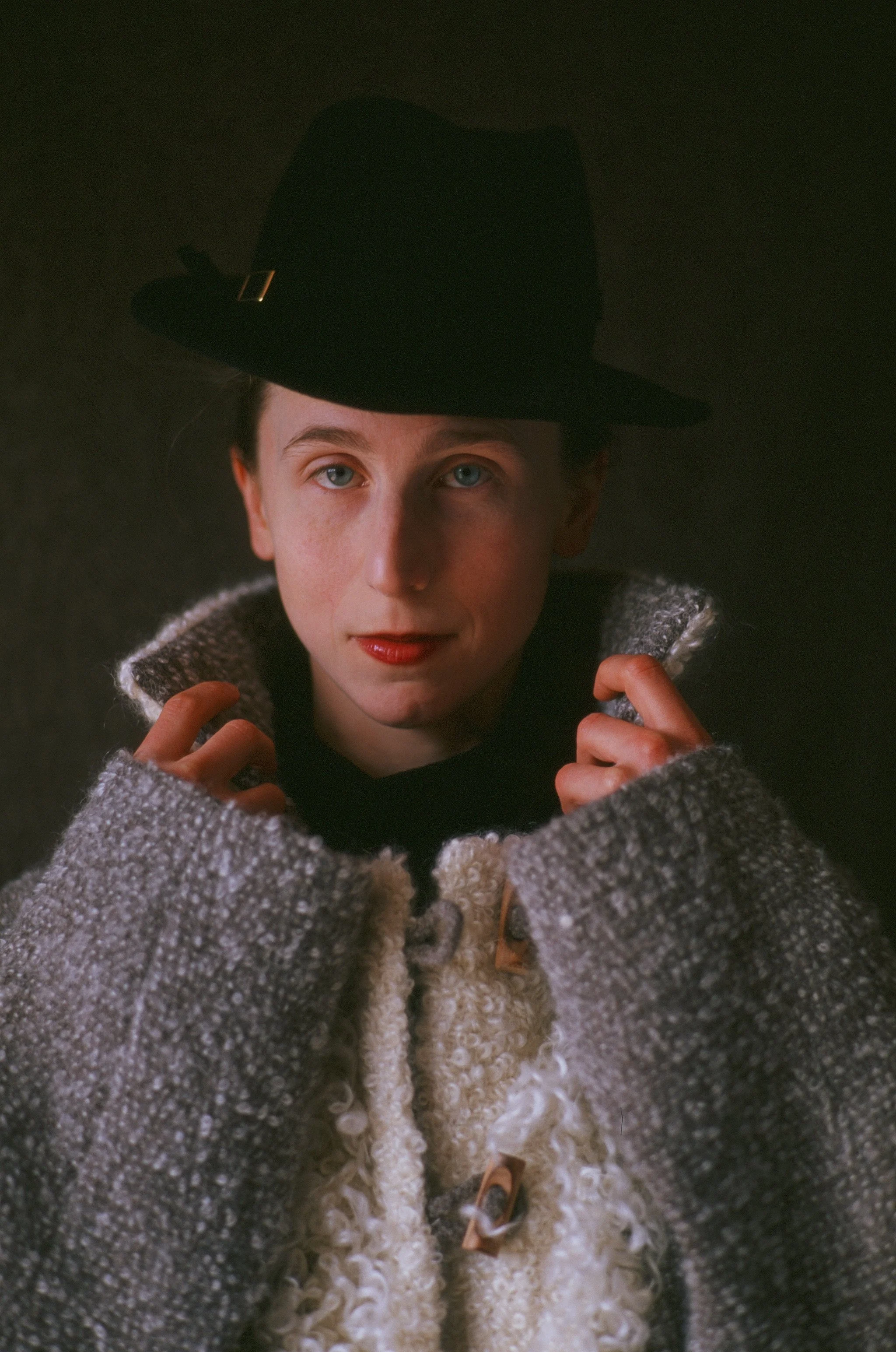
Outer fabric: Pure colours are 100% wool; bouclée fabrics are wool with mohair.
Decorative mohair features: Shear Rock’s exquisite sherpa fabric, is almost 100% mohair, and is incredibly rare, and is exclusive to Shear Rock. It’s also beed certified with the RMS Responsible Mohair Standard (RMS) mark.
Lining: 100% Silk or 100% super 100s wool lining. We wanted these coats to be entirely sustainable. We only use fabrics which are 100%. Recycling becomes a lot harder, when fabrics are made with part polymers.
The rope elements in these coats, are made from British wools, and various breeds.
Toggles are made from sustainably sourced olive wood, from Portuguese forests, complying with CITES, and made from timber offcuts from the pruned plantations.
Timeless aviator jacket, with dropped shoulders. Suitable for all ages.
Product passport: each coat comes with a product passport. It tells you where your coat has been so far without you. There are blank pages for your trips together.
Why Wool?
Wool is hydrophobic, which means that it naturally, repels liquid water.
It’s also hygroscopic, which means that it absorbs water, in its vaporous state. As it absorbs the vapour, it gives out heat, keeping the wearer warm. When the surrounding atmosphere is once again dry, the wool fibres release the vapour.
Wool fibres trap pollutants, such as volatile organic compounds (VOCs), in a process known as chemisorption. Pollutants are bound to an outer layer which the wool fibres create, to entrap the gases. They permanently store them, and don’t release for decades.
Why made in UK?
Exceptionally skilled women and men are responsible for these coats, and by making these coats in the UK, every single person who buys one, is keeping important skills alive, here. Robots cannot make coats like these, and they never will be able to. If a robot could make these coats, would we want that? Will we be in a good place, sensorily, if we outsource design, and sartorial manufacture to robots? What will happen to our eyes, and our sense of touch, particularly?
Why wooden toggles?
Certain trimmings, like zips, are most likely to fail mechanically, and therefore be discarded. But, we don’t want you to discard your Shear Rock. It’s not just about mechanical failure…Electroplating, which is part of trim manufacturing, can be extremely hazardous to the environment. Electroplating involves coating a base metal in a non-corroding metal, done by bathing the component in a bath which contains metal salts in solution. A current is passed through the solution to ensure that ions from the metal salt solution are deposited on the base trimming part/s. Washing gets rid of any excess chemicals at each stage. However, this produces potentially toxic wastewater, containing heavy metals, acids, and bases, cyanide, and many more toxic suspects. Common metals to be used in electroplating trimmings, like poppers and zips, and therefore found also in waste water, include copper, chromium, zinc and nickel. These are all heavy metals, and all known carcinogens, which lead to bioaccumulation, and sadly increasingly, cancers. The wastewater all needs to be treated correctly before leaving the plant, but implementing this, is not always so easy.
On-Demand
Every jacket you order through the website will be made for you, on-demand. This avoids excess production, and excess stock. It is more inline with the circular bioeconomy practices we all need to adopt if we are to come close to our goals for 2030.
“Every second, the equivalent of a rubbish truckload of clothes is burnt or buried in landfill. This approach is not only environmentally unstable, it’s economically fragile. Every discarded garment represents financial value lost to both producer and customer.”
Ellen MacArthur Foundation.
Quisque iaculis facilisis lacinia. Mauris euismod pellentesque tellus sit amet mollis.